
 Services

 Roofing Projects
 Knowledge
 Contact

Roof Dundee
Roofing Guide for Homeowners
For many homeowners, the roof can be “out of sight, out of mind” – until a leak or damage demands attention.
Maintaining a sound roof is essential, as it protects your home from the notorious Dundeeshire weather.
At Roof Dundee, we are committed to providing affordable, quality roofing services to residential clients across Dundeeshire, including Dundee, Harrogate, Knaresborough, Wetherby, Leeds, Sicklinghall, Harewood, and anywhere within about a 30-mile radius of our base just outside Dundee.
This homeowner-friendly guide will walk you through the key elements of roof care and what to look for when engaging a roofing contractor, so you can make informed decisions and keep your home safe and dry.
Get In Touch
Homeowners Guide
Our page A Guide to Roofing for Homeowners gives Dundee homeowners plain-English advice to plan repairs and re-roofs with confidence. Inside A Guide to Roofing for Homeowners you’ll find checklists, cost drivers, timelines and standards that matter—so you can compare options and avoid surprises. We explain leak tracing and roof repairs, full renewal to current ventilation/insulation standards, and flat roofing choices (EPDM, GRP, high-performance felt). You’ll also learn how precision leadwork to BS 6915 and correct ventilation to BS 5250 keep your roof watertight and healthy for the long term.
Written by our local team, A Guide to Roofing for Homeowners focuses on what really affects outcomes: survey quality, moisture paths, material selection, and installation detail to BS 5534. Expect photo-led surveys, itemised quotations and clear recommendations—plus tidy workmanship and written guarantees from an insured, manufacturer-approved crew serving Dundee and surrounding villages.
Get a Quote Roof Repairs All ServicesUseful Links
Use A Guide to Roofing for Homeowners to decide when a targeted repair is sensible and when underlying fabric or failed detailing makes a re-roof better value. We cover safe access, scaffold, waste, sequencing, and aftercare. You’ll also learn how gutters, fascias and soffit ventilation support overall roof performance, and how specification choices influence lifespan, appearance and maintenance needs.
Survey & Diagnosis — Start Smart
A thorough survey underpins every decision in A Guide to Roofing for Homeowners. We trace leaks to their source (tiles/slates, valleys, underlay laps, flashings, penetrations), check moisture routes, and photograph defects. You’ll receive an itemised report explaining causes and options with pros/cons, expected lifespan and disruption so you can choose confidently.
Repair vs. Re-Roof — How to Decide
When damage is localised and the roof fabric is otherwise sound, a targeted repair often delivers great value. If widespread underlay failure, poor ventilation, degraded battens or systemic detailing issues exist, a re-roof to BS 5534 with improved ventilation (per BS 5250) is usually smarter. Explore Roof Repairs or view All Services.
Ventilation & Condensation (BS 5250)
Adequate eaves/ridge ventilation prevents interstitial condensation that can rot timbers and shorten covering life. A Guide to Roofing for Homeowners explains soffit vents, counter-battens, vapour control layers and warm-roof build-ups, with simple diagrams and maintenance tips to keep airflow paths clear throughout the seasons.
Flat Roofing — EPDM, GRP & Felt
We compare single-ply EPDM (few joints, rapid install), GRP (seamless laminate, crisp trims) and multi-layer torch-on felt (robust and proven). A Guide to Roofing for Homeowners explains warm-roof build-ups, falls, outlets, upstands and terminations—and when overlays are viable versus full strip and renew. See our Flat Roofing service.
Leadwork & Chimneys — BS 6915 Basics
Good leadwork keeps junctions watertight for decades. A Guide to Roofing for Homeowners covers codes, step/cover/apron flashings, soakers, back gutters and trays, length limits and movement joints. We also touch on repointing, flaunching and safe capping/venting of redundant stacks. Learn more under Chimney & Leadwork.
Budget, Timelines & Access
Costs are shaped by scaffold design, material choice, detailing complexity and warranty level. A Guide to Roofing for Homeowners explains typical durations for repairs vs. renewals, weather contingencies, and what’s included (protection, waste removal, reinstatement, guarantees). For urgent issues we make safe first, then schedule permanent works with a fixed, itemised quotation.
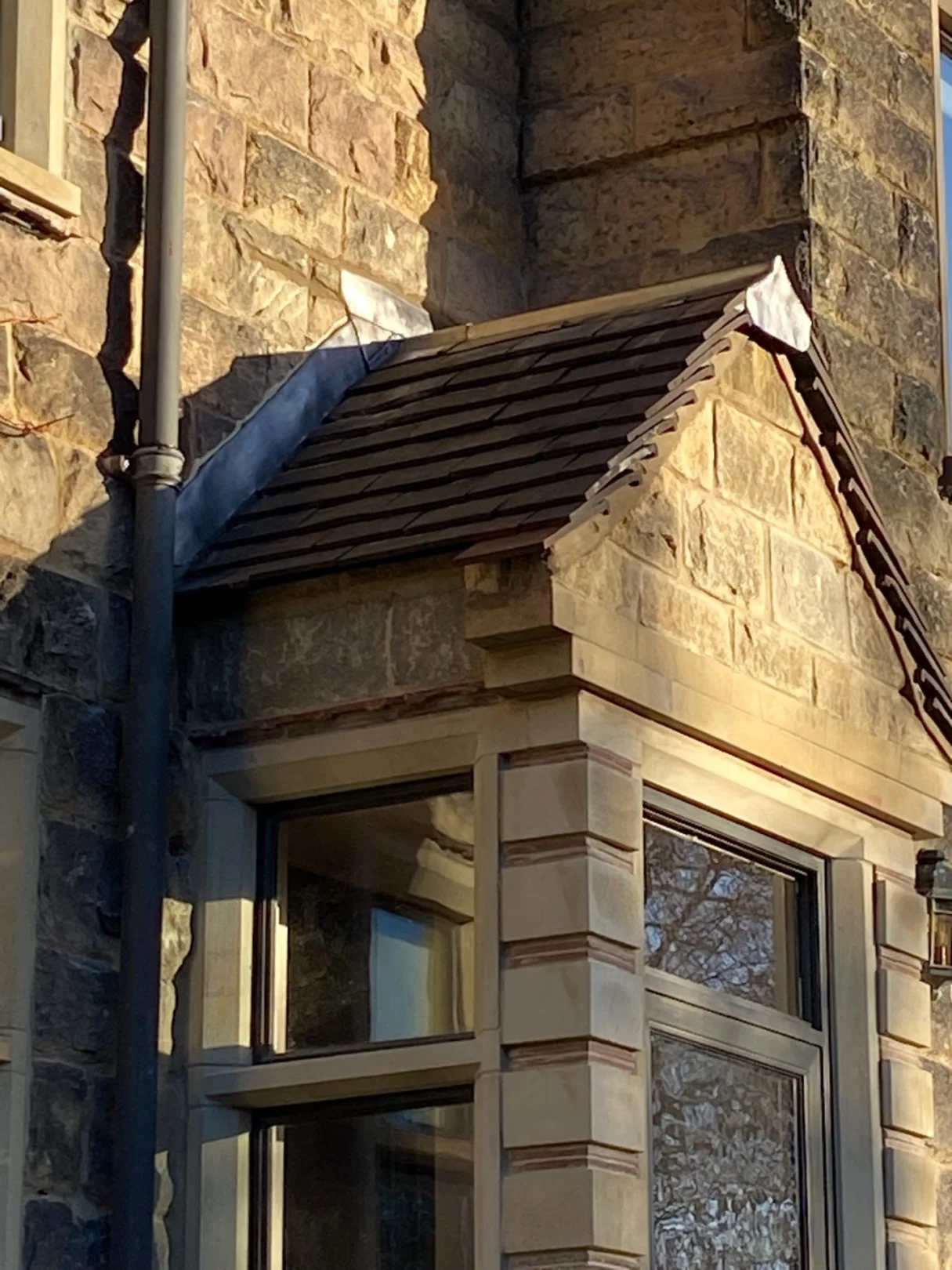
Helpful
We do our best to help every client.
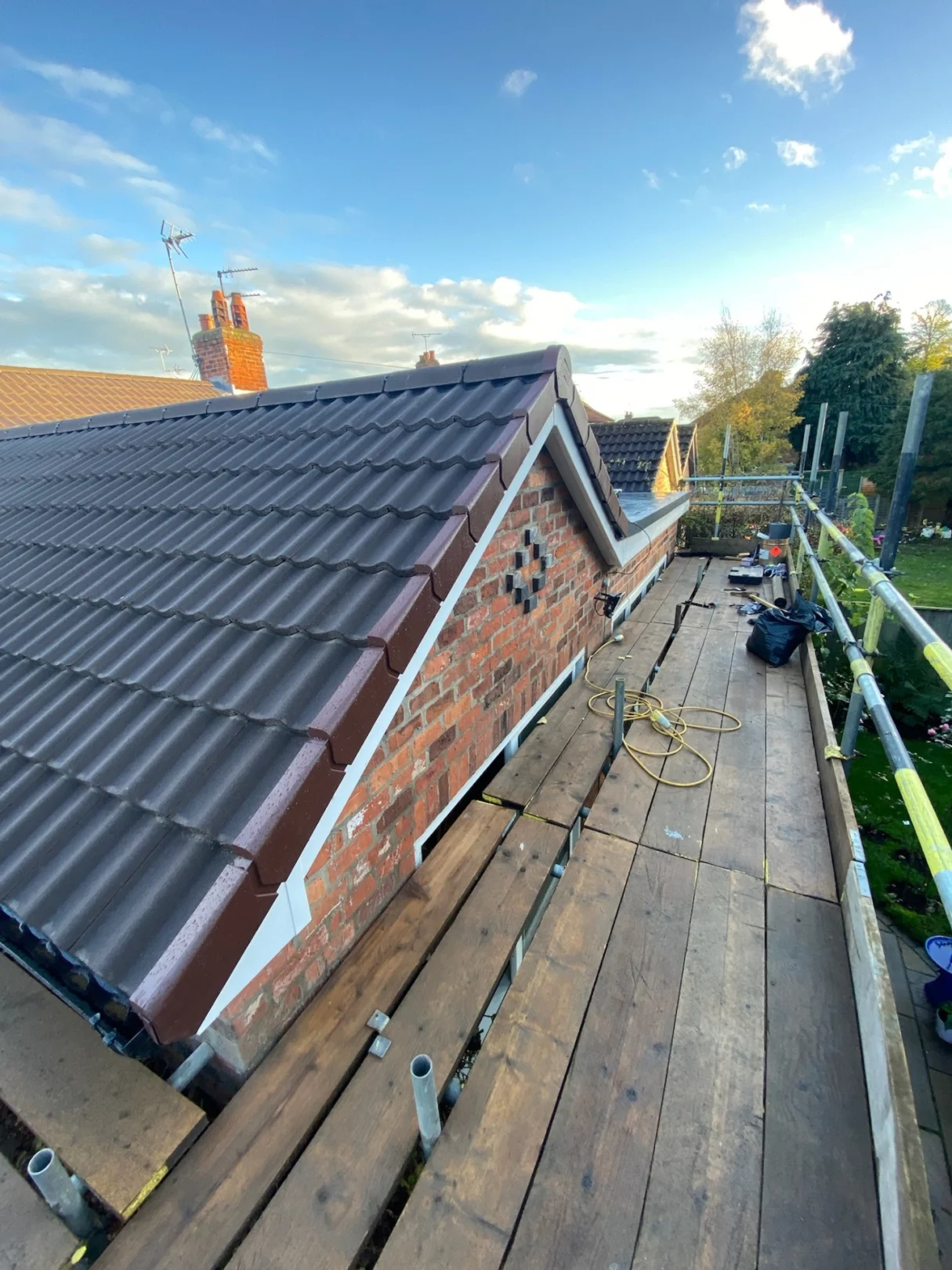
Friendly
Our teams are friendly to deal with.
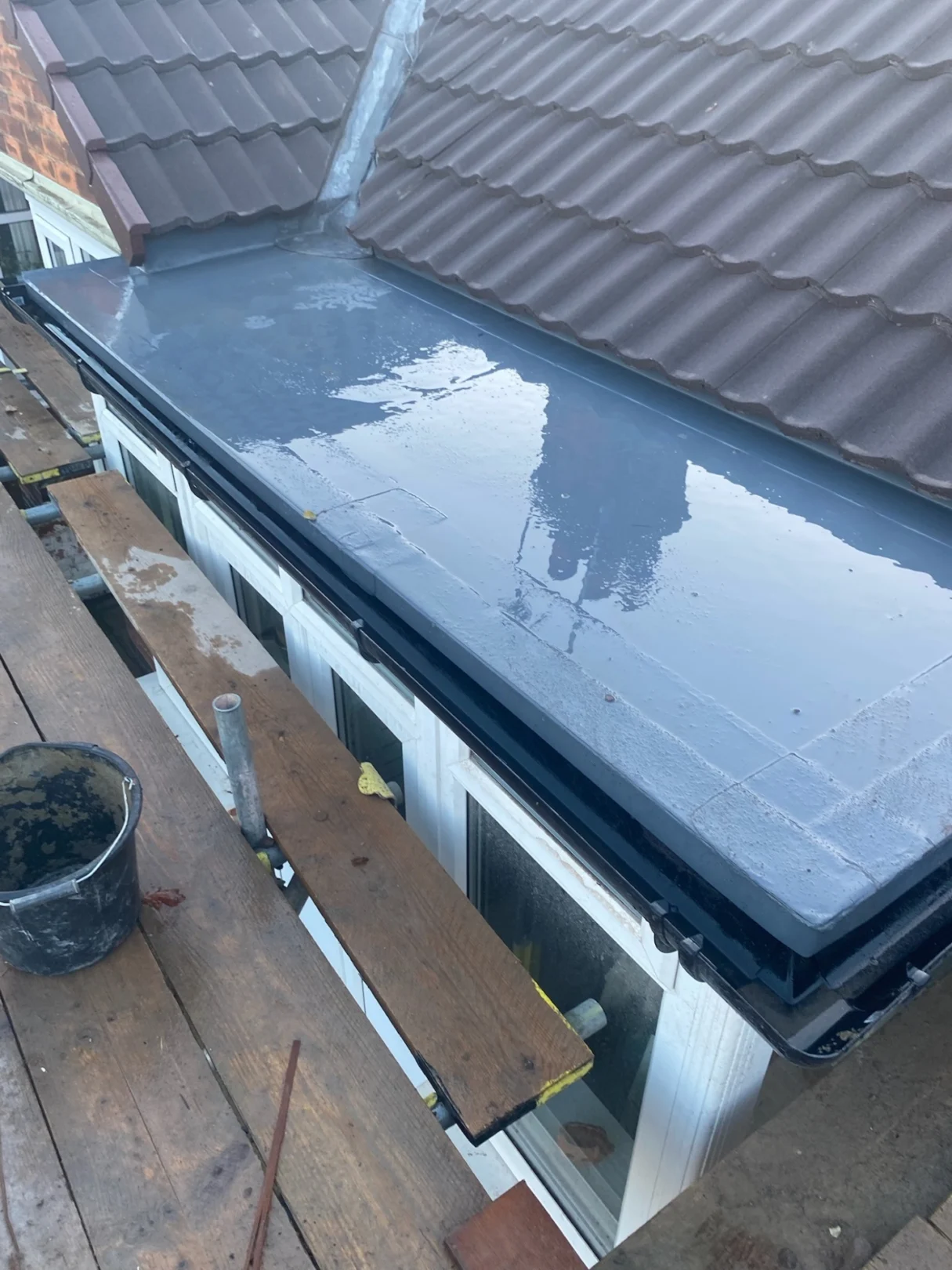
Roofers
Focusing on one, job, roofing.
Roofing Guide
Roof Repairs vs. Replacement: Knowing What You Need
Every roof will eventually need some form of work, but how do you decide between a simple repair and a full replacement? It often comes down to the age and extent of damage.
If your roof is relatively young and the issue is confined to a small area (for example, a few slipped tiles or a minor leak around flashing), a repair can be a cost-effective solution. However, if the roof has widespread problems – say more than 30% of the roof is damaged – experts advise that a complete replacement is often more cost-effective and prudent. Multiple recurring leaks or extensive storm damage are strong signs that patching may no longer suffice.
Consider the material and lifespan of your roof as well. Asphalt shingle roofs (common in some areas) last around 20–30 years, while traditional tile or slate roofs can last 50–100 years if well maintained.
If your roof is nearing the end of its expected life or has significant wear, investing in a new roof can save you money in the long run – not only by reducing continuous repair costs, but also by preventing interior water damage from persistent leaks. In fact, studies have found that frequent piecemeal repairs can end up costing up to 30% more over time than a timely replacement.
On the other hand, for a relatively young roof with isolated issues, a professional repair will restore its integrity without the expense of full replacement. When in doubt, get a professional inspection and opinion. A trustworthy roofing contractor (like Roof Dundee) will assess whether your roof just needs a fix or if it’s “time for a new lid” over your home.
Flat vs. Pitched Roofs: Key Differences for Homeowners
Roofers installing a new flat roofing system. Flat roofs require proper waterproofing and regular maintenance to achieve a long service life.
Homes in our region may feature pitched roofs (the classic sloped house roof) as well as flat roofs (often found on extensions, garages, or porches). Each type has its own considerations for upkeep and contractor expertise. Flat roofs tend to have a shorter lifespan, typically around 15–20 years, partly because their low slope can lead to standing water which over time may cause leaks.
Modern high-quality flat roofing membranes (like liquid systems and Sarnafil Membranes, or even high-performance felt) have improved longevity, but flat roofs still require regular maintenance – such as clearing debris from drains – to prevent water pooling. After heavy rain, it’s wise to visually check a flat roof for any puddling or membrane issues.
In contrast, pitched roofs (with tiles, slates, or shingles) generally enjoy a longer lifespan and fewer water issues because their slope allows rain and snow to run off easily.
A well-installed pitched roof can last for many decades (50+ years for quality tiles or slates is common). However, they are not “set-and-forget” either – you’ll still need to replace broken tiles, repair flashings around chimneys or skylights, and clear out gutters.
After severe weather (windstorms, for example), it’s important to have a quick check for any loose or missing roof tiles that need fixing to avoid leaks. In short, flat roofs demand a bit more proactive care, whereas pitched roofs are more forgiving but should still be inspected periodically. The good news is that Roof Dundee handles repairs and replacements on both flat and pitched roofs, so whichever style you have, we’ve got you covered.
Key Elements When Engaging a Roofing Contractor
Choosing the right roofing contractor is the most important decision you’ll make for your roof project. A reliable, skilled roofer will ensure quality work and a stress-free experience, whereas the wrong choice could lead to headaches or even costly mistakes. Here are the key factors to consider when engaging a roofing contractor for your home:
Experience & Credentials
Look for a contractor with a solid track record in the industry and experience with your specific roofing type (flat or pitched).
It’s wise to choose someone who is a member of a recognised trade organisation, such as the National Federation of Roofing Contractors (NFRC), which enforces standards for competence and compliance.
A roofer affiliated with an industry body or accredited by schemes like TrustMark has a reputation to uphold, which can give you extra peace of mind.
Proper Insurance Coverage
Always verify that the contractor has up-to-date insurance – this should include public liability insurance (to cover any damage to your property or neighbours’ property) and employer’s liability insurance (if the roofer has a team).
Insurance is non-negotiable. It protects you in case of accidents on the job and indicates that the company is professional.
Don’t be shy about asking for proof of insurance; reputable roofers are happy to provide it.
At Roof Dundee, we carry comprehensive insurance cover, and our certificate is available online.
Local Reputation & Reviews
A local roofing contractor brings the benefit of familiarity with Dundeeshire’s building styles and weather challenges, and they rely on their reputation in the community.
Ask neighbors, friends or family in your area if they have recommendations – word-of-mouth references are invaluable. You can also look at online reviews and testimonials.
A trustworthy local roofer should have an established online presence and positive feedback from homeowners (and be cautious if you find no trace of them online).
Roof Dundee, for instance, takes pride in the positive feedback from clients across North Dundeeshire – we’re part of the community, and it shows in our work.
Detailed Written Quotes
It’s advisable to get at least three quotes for significant roofing work and compare them. Make sure each quote is provided in writing and details the scope of work, materials to be used, start and finish timeline, and the total cost (including VAT).
While it may be tempting to jump at the cheapest quote, remember that price isn’t the only factor.
Extremely low quotes could be a red flag – the contractor might cut corners or spring surprise costs later.
Instead, base your decision on a combination of fairness of price, the quality of materials proposed, the warranty offered, and your impression of the roofer’s knowledge and professionalism.
As one industry guide puts it, do not automatically choose the cheapest – choose the quote that inspires the most confidence in quality and expertise
Avoid Doorstep Scams & Upfront Payments
Be very wary of any individual who shows up uninvited, knocks on your door, and claims your roof needs immediate repairs. Often, they’ll offer a “quick fix” and push you to pay in cash on the spot – don’t do it.
Legitimate contractors don’t operate that way. Never pay the full cost upfront for roofing work.
A reasonable deposit for materials is common, but you should not pay a large sum (or the entire job) before the work is completed to your satisfaction.
Rogue traders have been known to vanish with upfront payments or inflate the price once work starts.
Protect yourself by insisting on written contracts and never agreeing to cash deals without receipts. A reputable roofing firm will be transparent about pricing and will invoice you through proper channels.
Safety Practices (Scaffolding & Access)
Roofing is dangerous work at height, and safety is paramount. A professional contractor will include the cost and plan for proper access equipment, such as scaffolding or mobile platforms, rather than trying to do everything off a ladder.
“Ladders are for getting onto Scaffolds” ™️ 🪜🤷🏽♂️
While scaffolding adds to cost, it is there to protect both the workers and your property.
In fact, cowboy roofers often give cheap quotes specifically by avoiding the use of scaffolding, which is risky.
You do not want a contractor who jeopardises safety – if someone is hurt on your property, it could even involve you in liability.
Roof Dundee always priorities safety, ensuring our teams use the right equipment and follow health and safety regulations on every job.
Knowledge of Building Regulations
In the UK, significant roof work may require compliance with Building Regulations. If you are having a large portion of your roof replaced (generally, more than 25% of the roof area), it needs to be either inspected by Building Control or done by a roofer who can self-certify the work.
This is to ensure the roof structure is sound and that insulation meets current thermal standards. A good contractor will be knowledgeable about these requirements and will either handle the Building Regs application on your behalf or be part of a Competent Roofer scheme to self-certify.
Always confirm that your roofer will take the steps needed to get you a Building Regulations compliance certificate for the project if applicable – this certificate is important for your records (and future home resale). In most cases, routine repairs won’t require council approval, but a complete re-roof will
Workmanship Warranty & Guarantees
Roofing is a major investment, so you’ll want assurance that if anything goes wrong after the job, you’re covered.
Ask each contractor: Do you offer a warranty on your work, and is it insurance-backed? An insurance-backed guarantee(typically 10 years for a new roof) means even if the contractor ceases trading, an insurance policy will honour any valid claims to fix defects.
This is a strong sign of a contractor who stands by their quality. In addition, get all guarantees in writing – a verbal promise is worthless.
Roof Dundee, for example, provides a written guarantee on all new roofs and major repairs, giving our customers long-term peace of mind.
Transparent Communication & Professionalism
Pay attention to how the contractor communicates during the quotation and planning process. Are they responsive to your questions? Do they explain the work in plain language? A contractor who is approachable and willing to educate you on your roof’s needs is a great asset – it means they respect you and want you to understand what’s being done.
During the project, a good roofer will keep you updated on progress and any unexpected findings (like hidden rot in timbers).
It’s also reasonable to ask that they take before-and-after photos of the roof work, especially if you cannot easily see your roof – this helps you verify what was done and understand any issues uncovered.
You should feel comfortable that your questions are answered and that you’re in the loop at all times.
At Roof, we take pride documenting the process from initial survey to completion for any scale of job, from a few slate repairs to a complete flat roof replacement.
Clear Payment Terms
Finally, ensure you have agreed upon a clear payment schedule before work begins.
Typically, a small deposit (or none for simple repairs), then either stage payments for large projects or full payment upon completion, is standard. It’s recommended not to pay the full balance until the work is fully completed and inspected to your satisfaction.
Reputable contractors understand this and will not pressure you for full payment upfront. Avoid anyone who demands cash only or tries to rush the transaction without proper invoicing.
At Roof, we will not take any payments up front if your project is less than £10,000.00 and we offer all customers 7 days to pay our invoices from date of receipt.
All correspondence will be clear, and our invoices provided to you in a timely fashion showing the work that we contracted for, the VAT and total sum payable.
By checking each of the points above, you’ll greatly increase your chances of a smooth roofing project.
A trustworthy contractor will welcome these questions and appreciate that you are a diligent homeowner. It’s all about finding someone who will treat your roof with the same care and quality as if it were their own.
Quality and Compliance: Don’t Forget the Paperwork
While the aesthetic and price of a roofing job are front-of-mind for homeowners, don’t overlook the “paperwork” side of a roof project.
Always ensure you get a written contract or agreement that spells out the scope of work, the materials, timelines, and payment terms.
This contract protects both you and the contractor by setting clear expectations.
Additionally, for significant projects like a roof replacement, your contractor should provide or help you obtain a Building Regulations compliance certificate (as noted earlier) and any relevant manufacturer warranties for products (for example, a 20-year material warranty on an flat roof membrane, if applicable).
Keep these documents in a safe place; they’re important for future maintenance and if you ever sell your home.
Lastly, once the job is done, a professional roofer will typically walk you through what was accomplished and inform you of any maintenance tips. Don’t hesitate to ask questions like, “How often should I have the roof inspected or gutters cleaned?”
Being proactive about minor upkeep can extend the life of your new or repaired roof. For example, regular gutter cleaning and the occasional glance at your roof after storms can catch issues early. Your contractor wants the roof to last as much as you do – after all, a happy customer is the best advertisement.
Contact Roof